
Building as a system, not a collection of features
A green building is not a conventional design with eco-features bolted on. It is a system in which orientation, insulation, glazing, shading devices, ventilation strategy, water systems and energy generation work together from the earliest design decision. When this integration happens at the design stage, costs stay manageable. When it is retrofitted, the same outcomes cost significantly more.
The most powerful moves in green building are passive: a building correctly oriented on its plot with appropriate shading on east and west facades, cross-ventilation paths designed into the floor plan, and adequate thermal mass in the structural elements will use far less energy than a poorly oriented building fitted with expensive mechanical systems to compensate.
Getting the envelope right — wall insulation, roof insulation, high-performance glazing, shading — consistently delivers the highest return. This is especially true in Israel's climate, where summer cooling loads on uninsulated buildings are severe, and where a well-insulated building can maintain comfortable indoor temperatures with minimal mechanical assistance.
Israel's green building standards in context
Israel's Green Building Standard 5281 provides a scoring framework covering energy, water, materials, health and wellbeing, waste, transport and innovation. Buildings that meet it have a documented performance baseline that supports higher resale values and lower running costs over the building's lifetime.
Crucially, green building is no longer optional in Israel. Standard 5281 was written into the Planning and Building Law and became mandatory in phases — from March 2022, with a second phase from September 2023 — requiring almost every new construction project to meet at least a one-star level. The question is no longer whether to build green, but how to do it well and cost-effectively.
The payoff is measurable: a building designed to Standard 5281 uses up to around 30% less electricity and up to around 20% less water than a conventional building, saving a household hundreds to thousands of shekels a year. Most of that saving comes from the envelope — proper insulation and shading sharply reduce cooling and heating loads. Even in renovation, each improvement compounds the others.
Insulation and the building envelope
Israel's construction tradition — reinforced concrete frames with hollow block infill — provides good thermal mass but poor insulation unless specifically designed for it. External thermal insulation composite systems, applied to the outside of the structural wall, add continuous insulation without thermal bridges and without reducing interior floor area. They are the standard approach for both new buildings and renovation in Israel's climate.
Roof insulation is equally important. In Israel, where flat roofs are standard, a well-insulated roof with a reflective or green finish can significantly reduce summer cooling loads for the top-floor apartment — often the hottest and most energy-intensive unit in a residential building.
Window specification matters because glazing is the weakest thermal element in most building envelopes. Double-glazed units are now standard in better Israeli construction; low-emissivity coatings further reduce heat gain in summer and heat loss in winter. External shading devices — pergolas, projecting slabs, adjustable screens — are more effective than internal blinds at preventing solar heat gain before it enters the building.
Water systems in Israeli green buildings
Solar water heating has been mandatory on new Israeli residential buildings since 1980, making Israel a world leader in solar thermal penetration. Despite this, many existing systems operate below their potential due to ageing collectors, poor insulation on storage tanks or incorrect installation orientation. Upgrading or maintaining an existing solar water heater is a cost-effective first step in improving a home's resource efficiency.
Low-flow taps and showerheads, dual-flush toilets and efficient irrigation systems are inexpensive interventions that reduce water consumption without reducing occupant comfort. For larger buildings, pressure regulation on incoming water supply lines can further reduce consumption and water hammer damage.
Greywater recycling — capturing shower and sink water for garden irrigation — is permitted in Israel under specific conditions and delivers meaningful savings in households with gardens. A well-designed system pays back its installation cost within three to five years at current water tariffs, with minimal ongoing maintenance.
Smart materials and long-term thinking
Material selection in green building is a long-term decision. A material that costs more but lasts twice as long, requires no maintenance and uses fewer resources in production is usually the better ecological and financial choice. Durability, repairability and local availability are the key criteria to evaluate alongside embodied carbon and production process.
Stone cladding using locally quarried Israeli stone combines low embodied energy (short transport distance), excellent durability, zero maintenance and strong regional character. It is one case where the traditional building material is also, by most measures, the most ecological one. Contrast this with imported exotic timber or plastic composite cladding, which typically has higher embodied carbon and shorter functional lifespan.
For those planning renovation or new construction, the starting conversation with a green building consultant or architect should cover: site orientation and passive design potential, envelope performance targets, water system design and material specification. These decisions, made correctly at the start, determine the building's performance for decades.
Related Articles
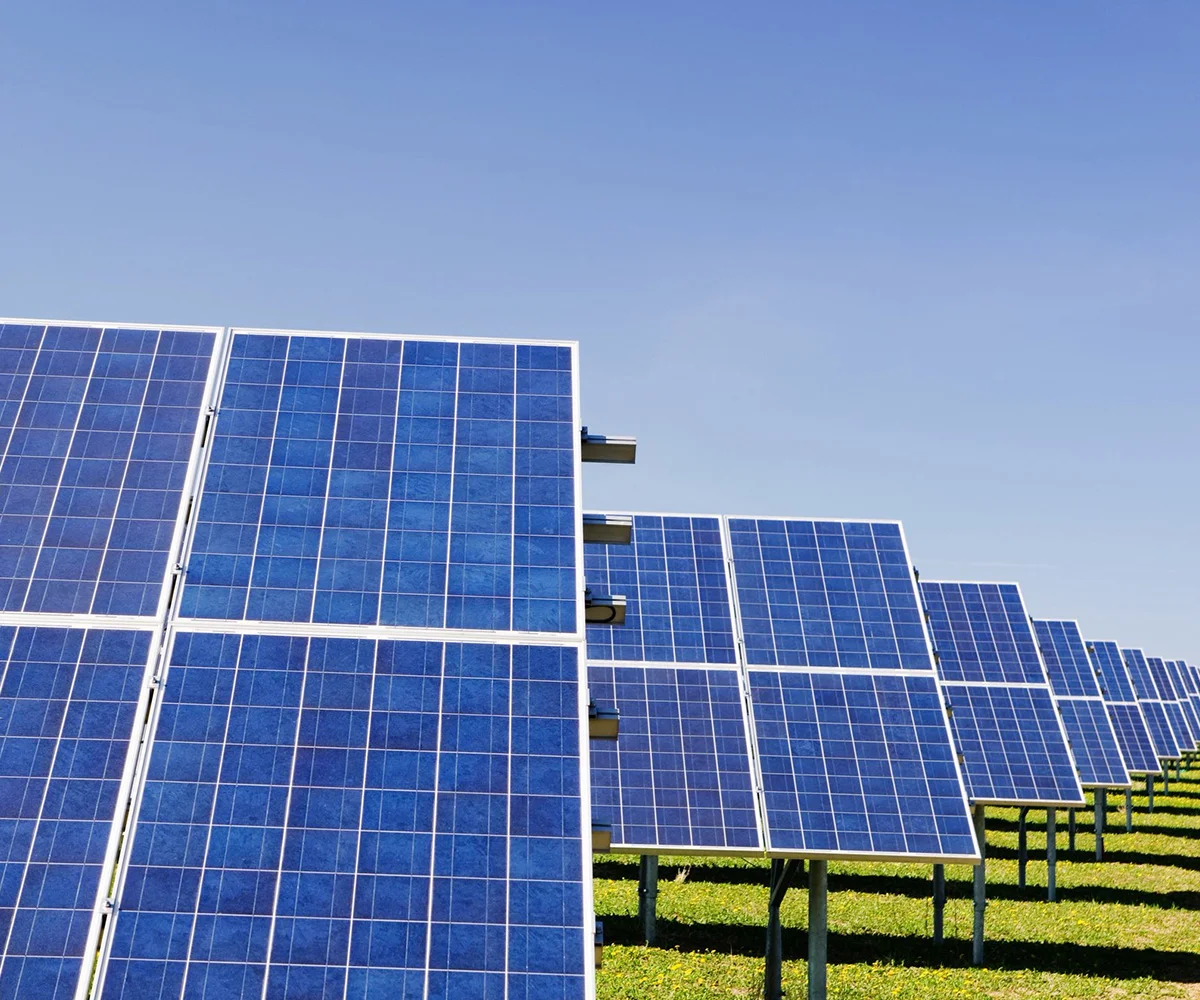
Green Building Principles for Healthier, Lower-Impact Spaces
Green building integrates energy, materials, water, daylight and indoor comfort into one cohesive design system that ben…
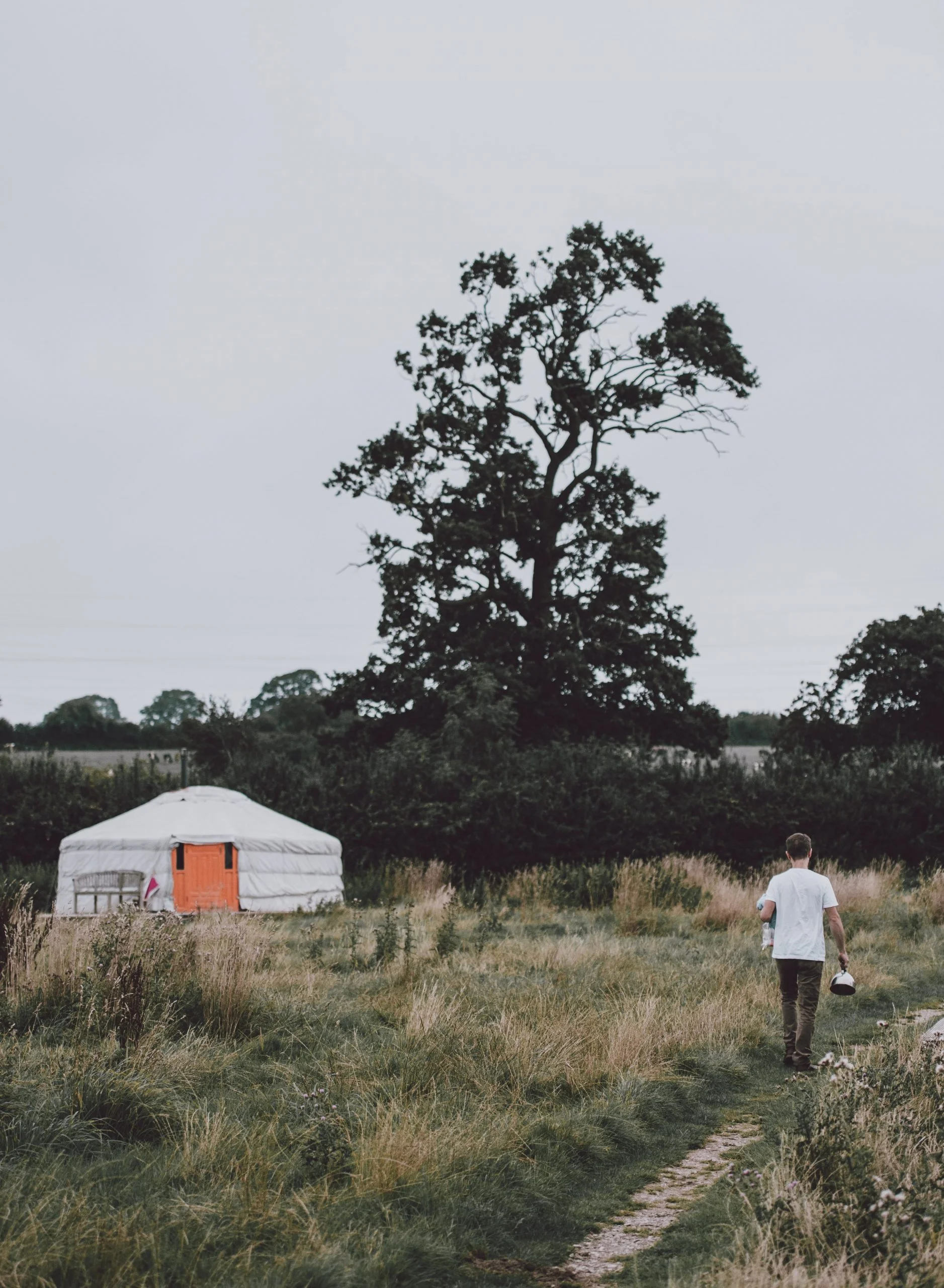
Yurts: Living in a Circle with Nature
The ancient yurt — a circular, portable dwelling with deep ecological logic — is finding new relevance in Israel's growi…
The Social Ecological Learning Centre: Education in Action
Community ecological learning centres create durable practical skills, local networks and lasting behaviour change — and…